The Scientific Hook
The pursuit of enhanced healthspan and metabolic resilience represents a cornerstone of contemporary biohacking research. Central to this endeavor is the modulation of critical cellular pathways, notably the activation of AMP-activated protein kinase (AMPK) and the inhibition of the mechanistic target of rapamycin (mTOR) signaling [1]. These pathways are integral regulators of glucose and lipid metabolism, mirroring the beneficial physiological adaptations observed during caloric restriction without direct dietary deprivation [1]. A compelling target in this context is quercetin, a natural flavonoid that has demonstrated significant promise in these areas, extending its influence to the burgeoning field of senolytics—compounds that selectively eliminate senescent cells [2]. The ability to effectively deliver such compounds, ensuring optimal absorption and systemic impact, defines the next frontier in metabolic optimization strategies.
Molecular Mechanisms & Cellular Longevity
Quercetin functions as a potent modulator of cellular metabolism through its interaction with key energy-sensing pathways. Its documented capacity to activate AMPK and concurrently inhibit mTOR signaling provides a foundational mechanism for regulating cellular energy homeostasis [1]. This dual action promotes catabolic processes like glucose uptake and fatty acid oxidation while suppressing anabolic processes, thereby mimicking the metabolic state induced by caloric restriction [1]. Beyond these metabolic roles, quercetin has gained considerable attention for its senolytic properties. Research indicates that quercetin, often in combination with dasatinib, can selectively induce apoptosis in senescent cells, which are characterized by increased expression of pro-survival networks and resistance to programmed cell death [2].
Specifically, quercetin has demonstrated efficacy against senescent human endothelial cells and mouse bone marrow-derived mesenchymal stem cells (BM-MSCs) [2]. The elimination of these dysfunctional senescent cells, which accumulate with age and contribute to chronic inflammation and tissue damage through the senescence-associated secretory phenotype (SASP), is crucial for maintaining tissue integrity and function [5]. In the context of cardiovascular health, quercetin suppresses the progression of atherosclerosis by regulating MST1-mediated autophagy in oxidized low-density lipoprotein (ox-LDL)-induced macrophage foam cells. It mitigates lipid accumulation and senescence phenotypes while promoting autophagy, thereby protecting against cellular damage [9]. Furthermore, studies have linked cellular senescence to neurodegenerative pathologies. Quercetin-containing senolytic treatments have been shown to reduce tau protein aggregation, neuron loss, and ventricular enlargement in tau transgenic mouse models [6]. Similarly, senolytic therapy has alleviated amyloid-beta (Aβ)-associated oligodendrocyte progenitor cell senescence, reduced neuroinflammation, and ameliorated cognitive deficits in Alzheimer’s disease models [8]. These multi-faceted molecular actions underscore quercetin’s broad potential in fostering cellular longevity and combating age-related pathologies.
Clinical Evidence & Evidence-Based Benefits
The scientific literature provides robust evidence supporting the benefits of senolytic interventions, particularly those involving quercetin, in animal models of aging and disease. A landmark study demonstrated that the combination of dasatinib and quercetin significantly reduced senescent cell burden in chronologically aged, radiation-exposed, and progeroid mice [2]. This intervention led to substantial improvements in healthspan, including enhanced cardiac function and carotid vascular reactivity, even after a single dose [2]. Long-term, periodic administration extended healthspan in progeroid mice, delaying age-related symptoms such as osteoporosis and loss of intervertebral disk proteoglycans [2].
Further research solidified these findings, showing that the targeted elimination of senescent cells with senolytics alleviated physical dysfunction and increased post-treatment survival by 36% in naturally aged mice, concurrently reducing mortality hazard by 65% [5]. The impact extends to metabolic health, where senolytic therapy with dasatinib and quercetin attenuated adipose tissue inflammation and ameliorated metabolic function in old age [13]. This included improvements in fasting blood glucose and glucose tolerance, alongside enhanced insulin-stimulated suppression of plasma non-esterified fatty acids (NEFAs), reduced plasma triglycerides, and improved systemic lipid tolerance [13]. These comprehensive improvements in metabolic parameters and physical function highlight the significant potential of senolytic strategies for addressing age-related metabolic dysfunction and extending healthspan. The integration of quercetin into advanced delivery systems aims to maximize these observed benefits by ensuring superior absorption and systemic availability.
Expert Protocol & Biohacker Tips
Optimizing the therapeutic potential of quercetin hinges significantly on overcoming its historically poor bioavailability. Next-generation formulations, such as those employing phytosome technology, enhance the absorption and systemic delivery of quercetin, thereby maximizing its cellular impact [1]. Products like Thorne’s Quercetin Phytosome (250 mg per capsule) and Life Extension’s Bio-Quercetin® exemplify this advancement, utilizing sophisticated delivery systems to improve the compound’s pharmacokinetic profile.
For metabolic optimization and cellular longevity support, a common biohacker approach involves integrating highly bioavailable quercetin into a broader health regimen. Typical dosages might range from 250 mg to 500 mg daily, depending on individual needs and health goals, often divided throughout the day to maintain consistent plasma levels. Due to its senolytic properties, some protocols suggest intermittent dosing, such as taking quercetin for a few days every few weeks or months, to target senescent cells without continuous exposure. However, daily supplementation also supports chronic metabolic regulation.
Incorporating quercetin is often synergistic with other lifestyle interventions that promote AMPK activation and mTOR inhibition, such as regular exercise, time-restricted eating, and a nutrient-dense diet rich in other polyphenols. Monitoring metabolic markers, inflammatory cytokines, and overall physical function can help individuals tailor their protocol for optimal outcomes. As with any powerful biohacking agent, individual responses may vary, and consultation with a healthcare professional is advisable before initiating new supplementation protocols.
The AgingHack Vetted Selection
| Selection | Dietary Supplements | Flavonoids |
|---|---|---|
| Visual |  | 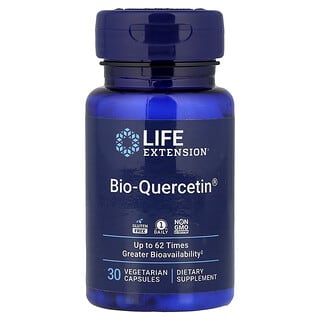 |
| Brand | Thorne | Life Extension |
| Form/Purity | High Purity Pharmaceutical Grade | High Purity Pharmaceutical Grade |
| Advantage | Quercetin, especially in advanced bioavailable formulations (e.g., phytosome technology), acts as a potent senolytic, selectively eliminating senescent cells which contribute to aging and disease [2], [5]. | It modulates key metabolic pathways by activating AMPK and inhibiting mTOR signaling, mimicking caloric restriction and promoting healthy glucose and lipid metabolism [1]. |
| Price | $46.00 | $9.00 |
| Link | Shop on iHerb | Shop on iHerb |
References & Academic Sources
- [2] The Achilles’ heel of senescent cells: from transcriptome to senolytic drugs.
- [3] TBD (From Blog Topics)
- [5] Senolytics improve physical function and increase lifespan in old age.
- [6] Tau protein aggregation is associated with cellular senescence in the brain.
- [8] Senolytic therapy alleviates Aβ-associated oligodendrocyte progenitor cell senescence and cognitive deficits in an Alzheimer’s disease model.
- [9] Quercetin Suppresses the Progression of Atherosclerosis by Regulating MST1-Mediated Autophagy in ox-LDL-Induced RAW264.7 Macrophage Foam Cells.
- [13] Senolytic drugs, dasatinib and quercetin, attenuate adipose tissue inflammation, and ameliorate metabolic function in old age.