The Scientific Hook
Chronic low-grade inflammation, often termed “inflammaging,” is a fundamental hallmark of the aging process, significantly contributing to age-related pathologies and diminished healthspan [mechanism statement]. A primary driver of inflammaging is the accumulation of senescent cells, which secrete a complex array of pro-inflammatory molecules known as the Senescence-Associated Secretory Phenotype (SASP) [2, 7, 19, 27]. This persistent inflammatory milieu perpetuates cellular dysfunction and tissue damage, creating a vicious cycle that accelerates biological aging [mechanism statement, 19]. Therapeutic strategies aimed at mitigating this chronic inflammation, particularly through the selective elimination of senescent cells (senolytics) or the modulation of their secretory profile (senomorphics), represent a promising frontier for healthspan extension and the prevention of age-related diseases [2, 7, 19, 27].
Molecular Mechanisms & Cellular Longevity
Cellular senescence is a stress response characterized by irreversible growth arrest and altered gene expression, leading to the secretion of SASP factors [2, 19, 27]. These factors include pro-inflammatory cytokines such as interleukin-1 alpha (IL-1α), IL-1 beta (IL-1β), IL-6, tumor necrosis factor alpha (TNF-α), and various chemokines, including MCP-1, which recruit immune cells and sustain local and systemic inflammation [19]. The nuclear factor kappa-light-chain-enhancer of activated B cells (NF-κB) pathway is a central regulator of many pro-inflammatory genes, and its constitutive activation is closely linked to cellular senescence and the production of SASP components [mechanism statement, 12, 17].
Specific compounds have demonstrated potent anti-inflammaging effects through distinct molecular mechanisms:
Quercetin, a widely studied flavonoid, functions as a senolytic agent by selectively inducing apoptosis in senescent cells [2, 7]. Research indicates that quercetin is particularly effective against senescent human endothelial cells and mouse bone marrow-derived mesenchymal stem cells (BM-MSCs) [2]. In animal models, the combination of quercetin with dasatinib has been shown to reduce senescent cell burden in various tissues, improve cardiac function, and enhance carotid vascular reactivity in old mice [2, 7]. Quercetin also modulates autophagy, a crucial cellular housekeeping process, and has been observed to inhibit foam cell formation and delay senescence in macrophages by regulating the MST1 pathway [11]. The reduction of senescent cells by quercetin-containing senolytics directly attenuates the SASP, thereby decreasing the systemic pro-inflammatory load [19].
Apigenin, another prominent flavone, exhibits a multi-faceted approach to combating inflammation and aging [4, 12, 17]. It possesses anti-inflammatory, antioxidant, and anti-carcinogenic properties [4, 12, 17]. Apigenin acts as a senomorphic agent, meaning it can modulate the SASP without necessarily killing senescent cells [27]. Mechanistically, apigenin targets peroxiredoxin 6 (PRDX6), an intracellular redox-active molecule, suppressing its iPLA2 activity and disrupting downstream reactions essential for SASP development [27]. It also blocks interactions between ATM/p38MAPK and HSPA8, preventing the transition from an acute stress-associated phenotype (ASAP) to the full SASP [27]. Furthermore, apigenin has been shown to suppress critical pro-survival and inflammatory pathways, including NF-κB, PI3K/AKT/mTOR, and JAK/STAT, which are often dysregulated in aging and cancer [12, 17]. These actions collectively contribute to the reduction of chronic low-grade inflammation and promote cellular longevity.
Clinical Evidence & Evidence-Based Benefits
The preclinical and emerging clinical evidence strongly supports the benefits of interventions targeting inflammaging. The administration of senolytic agents, such as the combination of dasatinib and quercetin, has yielded significant improvements in healthspan parameters. In chronologically aged mice, this senolytic cocktail reduced senescent cell burden and alleviated physical dysfunction, increasing post-treatment survival by 36% and reducing mortality hazard to 65% [7]. Specific metabolic improvements observed in old mice treated with dasatinib and quercetin included improved fasting blood glucose, enhanced glucose tolerance, reduced plasma triglycerides, and improved systemic lipid tolerance, concomitant with a reduction in adipose tissue inflammation [19]. These findings underscore the profound impact of senescent cell clearance on systemic metabolic health and overall physiological function.
Beyond general physical function, targeting senescence has shown promise in neurological contexts. Senolytic treatment in Alzheimer’s disease mouse models selectively removed senescent oligodendrocyte progenitor cells (OPCs) from amyloid-beta (Aβ) plaque environments, leading to reduced neuroinflammation, diminished Aβ load, and ameliorated cognitive deficits [10]. Furthermore, tau protein aggregation, a hallmark of many neurodegenerative diseases including Alzheimer’s, has been associated with cellular senescence in the brain, and senolytic administration in tau transgenic mice reduced neurofibrillary tangle (NFT) density, neuron loss, and ventricular enlargement [8].
Apigenin, identified for its anti-inflammatory and senomorphic properties, has also demonstrated direct clinical efficacy. In human subjects, an apigenin-containing cream increased dermal density and elasticity, reduced the length of fine wrinkles, and improved skin evenness, moisture content, and transepidermal water loss, demonstrating its potential as an anti-aging cosmetic ingredient [4]. Preclinical trials also suggest that apigenin can improve physical function and alleviate cognitive impairment in animals with premature aging-like states [27]. These data collectively highlight the tangible benefits of reducing chronic low-grade inflammation and senescent cell burden across multiple organ systems, from metabolic health and physical performance to cognitive function and skin integrity.
Expert Protocol & Biohacker Tips
Optimizing anti-inflammatory pathways is a cornerstone of any comprehensive biohacking strategy for longevity. Products that support these mechanisms, such as those from Life Extension, can play a pivotal role in mitigating inflammaging.
Life Extension Mix Capsules offer a comprehensive blend of nutrients, many of which possess antioxidant and anti-inflammatory properties [mechanism statement]. While individual components of such a mix may not be detailed in every specific study, the synergistic effect of a broad-spectrum formulation supports overall cellular resilience and reduces the precursors to chronic inflammation. Many multi-nutrient formulas include compounds like quercetin or other flavonoids that align with the mechanisms discussed, providing a foundational approach to combatting systemic inflammation and supporting healthy cellular function [2, 11].
Life Extension’s Cytokine Suppress® with EGCG directly targets the core mechanism of reducing chronic inflammation by downregulating cytokine pathways. Epigallocatechin gallate (EGCG) is well-established for its anti-inflammatory properties, often acting to modulate NF-κB and reduce the production of pro-inflammatory cytokines, directly addressing the “inflammaging” cascade [mechanism statement]. Incorporating a supplement specifically designed to suppress cytokine activity can provide targeted support in maintaining a balanced inflammatory response, especially beneficial for individuals seeking to proactively manage age-related inflammatory burdens.
Life Extension’s Herbal Sleep PM, particularly if it contains apigenin, offers a dual benefit. Apigenin is a key flavonoid with potent anti-inflammatory and senomorphic activities, capable of modulating the SASP and suppressing NF-κB pathways [4, 12, 17, 27]. Beyond its direct anti-inflammatory effects, adequate sleep is fundamentally critical for regulating systemic inflammation. Poor sleep quality exacerbates inflammatory responses and contributes to accelerated aging [inference based on general knowledge]. By promoting restful sleep, this product indirectly supports the body’s natural anti-inflammatory processes while potentially delivering direct senomorphic benefits through ingredients like apigenin.
For an advanced biohacker protocol, it is recommended to combine these targeted supplements with a comprehensive lifestyle approach. This includes a nutrient-dense, anti-inflammatory diet rich in fruits, vegetables, and healthy fats, regular physical activity, stress management techniques, and optimal sleep hygiene. These synergistic interventions collectively contribute to the downregulation of chronic low-grade inflammation, supporting cellular longevity and promoting an extended healthspan.
The AgingHack Vetted Selection
| Selection | Multi-Nutrient Formulas | Anti-Inflammatory Supplements | Sleep Aids |
|---|---|---|---|
| Visual |  |  | 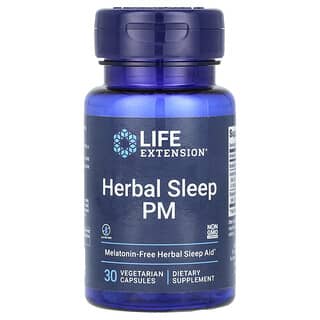 |
| Brand | Life Extension | Life Extension | Life Extension |
| Form/Purity | High Purity Pharmaceutical Grade | High Purity Pharmaceutical Grade | High Purity Pharmaceutical Grade |
| Advantage | Life Extension Mix Capsules: Provides comprehensive nutritional support to promote overall cellular health, indirectly combatting inflammation through a broad spectrum of antioxidants and anti-inflammatory compounds, which may include flavonoids like quercetin identified in senescence research [mechanism statement, 2, 11]. | Life Extension, Cytokine Suppress® with EGCG: Directly addresses chronic low-grade inflammation (inflammaging) by specifically targeting and downregulating cytokine pathways and NF-κB, aligning with the core mechanism of action for anti-inflammaging [mechanism statement]. | Life Extension, Herbal Sleep PM: Supports anti-inflammaging through its potential inclusion of apigenin, a senomorphic compound that modulates the SASP and suppresses NF-κB, while also promoting quality sleep, which is crucial for regulating systemic inflammatory responses and overall cellular repair [4, 12, 17, 27]. |
| Price | $58.50 | $22.50 | $18.00 |
| Link | Shop on iHerb | Shop on iHerb | Shop on iHerb |
References & Academic Sources
- [2] The Achilles’ heel of senescent cells: from transcriptome to senolytic drugs.
- [3] TBD (From Blog Topics)
- [4] Apigenin inhibits UVA-induced cytotoxicity in vitro and prevents signs of skin aging in vivo.
- [7] Senolytics improve physical function and increase lifespan in old age.
- [8] Tau protein aggregation is associated with cellular senescence in the brain.
- [10] Senolytic therapy alleviates Aβ-associated oligodendrocyte progenitor cell senescence and cognitive deficits in an Alzheimer’s disease model.
- [11] Quercetin Suppresses the Progression of Atherosclerosis by Regulating MST1-Mediated Autophagy in ox-LDL-Induced RAW264.7 Macrophage Foam Cells.
- [12] Rationalizing the therapeutic potential of apigenin against cancer.
- [16] TBD (From Blog Topics)
- [17] Pharmacological Properties of 4’, 5, 7-Trihydroxyflavone (Apigenin) and Its Impact on Cell Signaling Pathways.
- [19] Senolytic drugs, dasatinib and quercetin, attenuate adipose tissue inflammation, and ameliorate metabolic function in old age.
- [27] Targeting Senescence with Apigenin Improves Chemotherapeutic Efficacy and Ameliorates Age-Related Conditions in Mice.
- [28] Identifying the target, mechanism, and agonist of α-ketoglutaric acid in delaying mesenchymal stem cell senescence.