Targeting Inflammaging: A Multi-faceted Approach to Cellular Health and Longevity
Chronic low-grade inflammation, often termed ‘inflammaging’, is a foundational contributor to age-related decline and numerous chronic pathologies [7, 19]. This persistent inflammatory state is characterized by elevated systemic levels of pro-inflammatory cytokines and is intrinsically linked to cellular senescence. Senescent cells, which accumulate with age and in response to various stressors, secrete a diverse array of molecules known as the Senescence-Associated Secretory Phenotype (SASP). The SASP includes pro-inflammatory cytokines, chemokines, growth factors, and proteases, which collectively promote tissue dysfunction, drive inflammation, and can induce senescence in neighboring healthy cells, thereby propagating an inflammatory cascade [7, 19]. Therapeutic strategies aimed at reducing this inflammatory burden, particularly through the elimination of senescent cells (senolytics) or modulation of their SASP (senomorphics), represent a promising frontier in healthspan extension [2, 27]. This review synthesizes current research on compounds demonstrating anti-inflammatory and senotherapeutic properties, particularly those found in comprehensive formulations designed to combat inflammaging.
Molecular Mechanisms & Cellular Longevity
The primary mechanism underpinning the anti-inflammatory action of targeted compounds involves the downregulation of the NF-κB pathway and related cytokine expression. NF-κB is a central regulator of inflammatory responses, and its chronic activation contributes significantly to inflammaging [12, 17]. Senescent cells exhibit robust NF-κB activation, driving the production of their pro-inflammatory SASP [19].
Key compounds exhibiting these molecular effects include quercetin and apigenin. Quercetin, a prominent flavonoid, functions as a senolytic agent by selectively inducing apoptosis in senescent cells while sparing healthy, proliferating cells [2]. Its senolytic efficacy has been linked to targeting pro-survival networks upregulated in senescent cells, such as BCL-xL [2]. Furthermore, quercetin has been shown to reduce age-related increases in the expression of pro-inflammatory SASP genes, including MCP-1, TNF-α, IL-1α, IL-1β, IL-6, CXCL2, and CXCL10, within adipose tissue [19]. Beyond its senolytic actions, quercetin can suppress the progression of atherosclerosis by regulating MST1-mediated autophagy in oxidized low-density lipoprotein (ox-LDL)-induced macrophage foam cells. It delays senescence in these cells by increasing LC3-II/I and Beclin1 expression, indicating autophagy promotion, and decreasing P53, P21, and P16 expression [11].
Apigenin, another widely studied flavone, possesses potent anti-inflammatory, antioxidant, and anti-carcinogenic properties [4, 12, 17]. Mechanistically, apigenin has been shown to modulate critical signaling pathways such as PI3K/AKT/mTOR, JAK/STAT, NF-κB, and MAPK/ERK, which are pivotal in inflammation, cell proliferation, and survival [12, 17]. As a senomorphic agent, apigenin acts by blocking interactions between ATM/p38MAPK and HSPA8, thereby preventing the transition from an acute stress-associated phenotype (ASAP) to the full SASP. It achieves this by targeting peroxiredoxin 6 (PRDX6), an intracellular redox-active molecule, and suppressing its iPLA2 activity, which is crucial for SASP development [27]. This unique senomorphic action directly mitigates the inflammatory and detrimental effects of senescent cells without necessarily eliminating them [27]. Apigenin also protects normal human dermal fibroblasts from UVA-induced senescence and reduces the expression of matrix metalloproteinase-1 (MMP-1), an enzyme that degrades collagen and contributes to skin aging [4].
Clinical Evidence & Evidence-Based Benefits
The therapeutic potential of senolytic and senomorphic compounds, such as quercetin and apigenin, has been corroborated by a growing body of in vivo and clinical evidence, primarily focusing on healthspan extension and alleviation of age-related conditions.
The combination of senolytics, particularly dasatinib and quercetin, has demonstrated remarkable efficacy in animal models. In aged mice, this combination reduced senescent cell burden and improved markers of aging, including cardiac function and carotid vascular reactivity, within five days of a single dose [2]. Furthermore, periodic administration of dasatinib and quercetin significantly alleviated physical dysfunction and increased post-treatment survival by 36% in old mice, while reducing mortality hazard by 65% [7]. This senolytic intervention has also been shown to attenuate adipose tissue inflammation, improve fasting blood glucose levels, enhance glucose tolerance, and improve systemic lipid metabolism in old mice, suggesting broad metabolic benefits [19]. Beyond systemic effects, senolytics have shown promise in neurodegenerative contexts. In tau transgenic mouse models, the removal of senescent cells led to a reduction in total neurofibrillary tangle (NFT) density, neuron loss, and ventricular enlargement, indicating a direct association between NFTs and cellular senescence in neurodegeneration [8]. Similarly, in Alzheimer’s disease (AD) models, senolytic treatment selectively removed senescent oligodendrocyte progenitor cells associated with amyloid-beta (Aβ) plaques, resulting in reduced neuroinflammation, lessened Aβ load, and ameliorated cognitive deficits [10].
Apigenin has also shown compelling evidence of efficacy. In vitro studies demonstrate its ability to restore viability to normal human dermal fibroblasts compromised by UVA exposure and protect against UVA-induced senescence [4]. In vivo human studies using apigenin-containing creams revealed significant improvements in dermal density, skin elasticity, reduced fine wrinkle length, and enhanced skin evenness, moisture content, and transepidermal water loss [4]. Preclinical trials have further underscored apigenin’s geroprotective effects, showing improvements in physical function, alleviation of physical frailty, and cognitive impairment in animal models of premature aging [27]. The ability of apigenin to restrain chemoresistance when combined with chemotherapy in anticancer regimens also highlights its potential in broader health applications [27].
Expert Protocol & Biohacker Tips
The systematic reduction of chronic low-grade inflammation, or inflammaging, is a cornerstone of advanced biohacking for healthspan optimization. Comprehensive formulations, such as those within the Life Extension Mix product line (e.g., Life Extension, Mix Tablets, 240 Tablets; Life Extension, Mix™ Powder, 0.79 lbs (360 g); Life Extension Mix Tablets with Extra Niacin, 240 Tablets), are designed to provide a broad spectrum of ingredients, including flavonoids like quercetin and apigenin, that collectively target the molecular pathways driving inflammation and cellular senescence.
For individuals seeking to actively manage inflammaging, the incorporation of such multi-ingredient formulations can be a strategic component. The various forms—tablets for convenience, powder for customizable dosing or ease of integration into beverages, and variants with additional niacin for specific metabolic support—offer flexibility in personalizing a regimen.
Biohacker tips for maximizing anti-inflammatory effects include:
- Consistent Dosing: Adherence to a consistent daily intake is crucial for maintaining steady therapeutic levels of the active compounds. Given that senolytics like the dasatinib and quercetin combination have shown efficacy with periodic administration (e.g., monthly for a few days) in animal studies to reduce senescent cell burden [2, 7], the benefits of daily intake of foundational anti-inflammatory compounds aim for sustained modulation of inflammatory pathways and SASP.
- Synergistic Lifestyle Integration: Supplementation with anti-inflammatory compounds should be viewed as part of a holistic approach. This includes adopting an anti-inflammatory diet rich in whole foods, omega-3 fatty acids, and diverse polyphenols; engaging in regular physical activity; ensuring adequate sleep; and managing stress, all of which independently contribute to reducing systemic inflammation [7].
- Monitoring and Adjustment: While direct human clinical data for specific ‘mix’ formulations are complex to obtain, individuals can monitor subjective markers of well-being, energy levels, and skin health. For those with access to advanced diagnostics, monitoring inflammatory biomarkers (e.g., high-sensitivity C-reactive protein, IL-6) can provide objective insights into the effectiveness of an anti-inflammatory protocol.
- Consideration of Forms: The powder form may offer advantages for higher dosing flexibility or for individuals who prefer not to swallow multiple tablets. Variants with extra niacin may be particularly beneficial for those targeting lipid metabolism alongside inflammation management.
By combining scientifically supported compounds that target the root causes of inflammaging—specifically by downregulating NF-κB, modulating the SASP, and promoting senescent cell clearance or healthy cellular function—these comprehensive formulations offer a potent strategy for promoting cellular longevity and extending healthspan [2, 4, 7, 12, 17, 19, 27].
The AgingHack Vetted Selection
| Selection | Anti-Inflammatory Supplements | Senolytic Agents | Flavonoid Supplements |
|---|---|---|---|
| Visual | 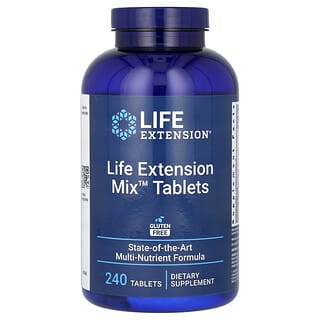 |  |  |
| Brand | Life Extension | Life Extension | Life Extension |
| Form/Purity | High Purity Pharmaceutical Grade | High Purity Pharmaceutical Grade | High Purity Pharmaceutical Grade |
| Advantage | Contains key compounds like quercetin and apigenin which act as senolytics and senomorphics, targeting senescent cells and their pro-inflammatory SASP [2, 7, 27]. | Reduces chronic low-grade inflammation (inflammaging) by downregulating NF-κB and related cytokine pathways [12, 17]. | Quercetin, a component, improves physical function, cardiac health, vascular reactivity, and metabolic markers in aged models [2, 7, 19]. |
| Price | $55.50 | $60.00 | $55.50 |
| Link | Shop on iHerb | Shop on iHerb | Shop on iHerb |
References & Academic Sources
- [2] The Achilles’ heel of senescent cells: from transcriptome to senolytic drugs.
- [3] TBD (From Blog Topics)
- [4] Apigenin inhibits UVA-induced cytotoxicity in vitro and prevents signs of skin aging in vivo.
- [7] Senolytics improve physical function and increase lifespan in old age.
- [8] Tau protein aggregation is associated with cellular senescence in the brain.
- [10] Senolytic therapy alleviates Aβ-associated oligodendrocyte progenitor cell senescence and cognitive deficits in an Alzheimer’s disease model.
- [11] Quercetin Suppresses the Progression of Atherosclerosis by Regulating MST1-Mediated Autophagy in ox-LDL-Induced RAW264.7 Macrophage Foam Cells.
- [12] Rationalizing the therapeutic potential of apigenin against cancer.
- [16] TBD (From Blog Topics)
- [17] Pharmacological Properties of 4’, 5, 7-Trihydroxyflavone (Apigenin) and Its Impact on Cell Signaling Pathways.
- [19] Senolytic drugs, dasatinib and quercetin, attenuate adipose tissue inflammation, and ameliorate metabolic function in old age.
- [27] Targeting Senescence with Apigenin Improves Chemotherapeutic Efficacy and Ameliorates Age-Related Conditions in Mice.
- [28] Identifying the target, mechanism, and agonist of α-ketoglutaric acid in delaying mesenchymal stem cell senescence.