The Pervasive Threat of Inflammaging: A Comprehensive Review of Anti-Inflammatory Interventions
Chronic low-grade inflammation, colloquially termed ‘inflammaging,’ represents a fundamental hallmark of the aging process, significantly contributing to age-related decline and morbidity [17]. This persistent systemic inflammatory state is characterized by elevated levels of pro-inflammatory cytokines and chemokines, driven in large part by the constitutive activation of the nuclear factor kappa-light-chain-enhancer of activated B cells (NF-κB) pathway [26, 33]. NF-κB serves as a central regulator of immune responses and cellular stress, orchestrating the expression of numerous genes involved in inflammation, cell proliferation, and survival [26, 33]. Consequently, strategies aimed at downregulating NF-κB activity and its downstream cytokine pathways offer a robust scientific basis for mitigating inflammaging and promoting healthy longevity [26, 33]. This review synthesizes current research on prominent anti-inflammatory compounds, elucidating their molecular mechanisms and clinical potential in the context of biohacking for aging intervention.
Molecular Mechanisms & Cellular Longevity
The therapeutic efficacy of anti-inflammatory compounds against inflammaging is deeply rooted in their capacity to modulate key cellular and molecular pathways associated with aging. Among the most extensively studied compounds are polyphenols such as resveratrol, quercetin, and apigenin, each exhibiting distinct yet complementary mechanisms.
Resveratrol, a polyphenol found in red wine, functions as a potent activator of sirtuins, a class of NAD+-dependent protein deacetylases, particularly sirtuin 1 (SIRT1) [1, 25]. SIRT1 activation is known to mimic calorie restriction, enhancing DNA stability and extending the lifespan of model organisms [1]. Resveratrol modulates several hallmarks of aging, including oxidative damage, inflammation, telomere attrition, and cellular senescence [17]. Furthermore, it promotes AMP-activated protein kinase (AMPK) phosphorylation, which subsequently activates autophagy, a critical process for cellular waste clearance and rejuvenation [40]. Resveratrol-mediated SIRT1 activation also attenuates acute kidney injury by inducing Beclin1 deacetylation-mediated autophagy [28].
Quercetin, a widely distributed flavonoid, acts as a senolytic agent, selectively inducing apoptosis in senescent cells while sparing healthy, proliferating cells [12, 18]. Senescent cells accumulate with age in various tissues, secreting a pro-inflammatory senescence-associated secretory phenotype (SASP) that propagates chronic inflammation and tissue dysfunction [12, 35]. The elimination of these cells by senolytics like quercetin, often in combination with dasatinib, has been shown to reduce senescent cell burden and inflammatory SASP markers [12, 18, 35]. Beyond its senolytic actions, quercetin also suppresses the progression of atherosclerosis by regulating MST1-mediated autophagy in macrophages, further contributing to anti-inflammatory and anti-aging effects [24].
Apigenin, another prominent flavone, exhibits significant anti-inflammatory, antioxidant, and anti-carcinogenic properties [14, 26, 33]. Mechanistically, apigenin has been shown to protect against ultraviolet A (UVA)-induced senescence in human dermal fibroblasts and reduce matrix metalloproteinase-1 (MMP-1) expression, an enzyme implicated in collagen degradation during photoaging [14]. Apigenin modulates critical signaling pathways, including the inhibition of NF-κB, PI3K/AKT/mTOR, and JAK/STAT pathways, which are pivotal in inflammation, cell proliferation, and survival [26, 33]. It also boosts autophagosome formation and activates autophagy through PI3K pathway inhibition [33]. More recently, apigenin has been identified as a senomorphic agent, capable of blocking the interactions between ATM/p38MAPK and HSPA8, thereby preventing the transition to the full SASP, and targeting peroxiredoxin 6 (PRDX6) to disrupt downstream reactions underlying SASP development [47]. These combined actions underscore the multifactorial approach of these compounds in combating inflammaging and promoting cellular longevity.
Clinical Evidence & Evidence-Based Benefits
The molecular insights into anti-inflammatory compounds translate into a spectrum of evidence-based health benefits, extending beyond cellular-level effects to impact systemic health and mitigate age-related diseases.
The therapeutic potential of senolytic drugs, including combinations like dasatinib and quercetin, has been demonstrated in preclinical models. These interventions have been shown to reduce senescent cell burden in chronologically aged mice, leading to improvements in cardiac function, carotid vascular reactivity, and exercise capacity [12]. Furthermore, intermittent oral administration of senolytics alleviated physical dysfunction, reduced mortality hazard, and increased post-treatment survival by 36% in naturally aged mice [18]. In neurodegenerative contexts, senolytic treatment has been observed to reduce tau protein aggregation, neuron loss, and ventricular enlargement in mouse models of tauopathy [19], and alleviate amyloid-beta (Aβ)-associated oligodendrocyte progenitor cell senescence and cognitive deficits in Alzheimer’s disease models [22]. Such findings suggest a profound impact on healthspan extension and the amelioration of multiple age-related pathologies. Senolytic therapy with dasatinib and quercetin has also been shown to attenuate adipose tissue inflammation and improve systemic metabolic function, including fasting blood glucose, glucose tolerance, and lipid profiles in old age [35].
Resveratrol has been implicated in protecting against a range of age-related diseases in humans, including atherosclerosis, cardiovascular disease, cancer, arthritis, type 2 diabetes, hypertension, and Alzheimer’s disease, primarily through its anti-aging and anti-inflammatory properties [17, 25]. In the context of dermatological health, resveratrol has been shown to protect human skin fibroblasts from UVA-induced photoaging and improve symptoms of roughness, erythema, and wrinkles in photodamaged mouse skin [40].
Apigenin has demonstrated direct clinical efficacy, with topical application of apigenin-containing creams increasing dermal density and elasticity, and reducing fine wrinkle length in human subjects [14]. Beyond dermatological applications, apigenin’s anti-inflammatory and anticancer properties highlight its broad therapeutic potential [26, 33]. Preclinical studies also suggest apigenin’s ability to improve physical function and alleviate cognitive impairment in models of premature aging [47]. The multifaceted benefits derived from these compounds collectively support their role in mitigating inflammaging and promoting overall healthspan.
Expert Protocol & Biohacker Tips
Optimizing the inflammatory response is a cornerstone of any comprehensive biohacking strategy for healthy aging. Based on the robust scientific evidence, incorporating targeted anti-inflammatory compounds through high-quality supplementation can be a potent approach.
Strategic Supplementation: Integrating formulations that include well-researched polyphenols like resveratrol, quercetin, and apigenin is paramount. These compounds synergistically downregulate the NF-κB pathway, modulate cytokine expression, and address cellular senescence and autophagy dysregulation [12, 18, 33, 35, 47]. Products from brands recognized for purity and scientific backing, such as Life Extension and Designs For Health, are often formulated to deliver these compounds effectively. Life Extension’s Mix™ Capsules/Tablets and Designs For Health’s FemGuard + Balance™ are examples of products that, depending on their precise formulations, can contribute to these anti-inflammatory strategies by potentially providing a spectrum of ingredients targeting these pathways.
Dosage and Administration Considerations: While specific product dosages vary, the efficacy of certain senolytics has been demonstrated with intermittent dosing strategies. For instance, the dasatinib and quercetin combination, while primarily studied in animal models at specific concentrations, highlights the potential for pulsed therapeutic approaches [12, 18, 35]. For compounds like resveratrol and apigenin, consistent daily intake, whether through diet or supplementation, is generally recommended to maintain their molecular benefits [17, 33]. Regular consumption of a diet rich in fruits and vegetables, particularly those high in apigenin, can also contribute to active anti-inflammatory doses [33].
Synergistic Approaches: The combined administration of anti-inflammatory and senolytic agents represents a powerful strategy. For example, the synergistic senolytic action of quercetin with other compounds underscores the potential for multi-ingredient formulations to achieve superior outcomes compared to single-agent interventions [12, 18, 35]. Furthermore, combining these supplements with lifestyle interventions known to reduce inflammation—such as a balanced diet, regular exercise, and stress management—will amplify their therapeutic impact. Monitoring inflammatory biomarkers, such as C-reactive protein (CRP), can provide objective feedback on the effectiveness of these interventions, allowing for personalized adjustments to a biohacking protocol. This evidence-based approach to anti-inflammatory strategies offers a promising pathway for enhancing healthspan and combating the pervasive effects of inflammaging.
The AgingHack Vetted Selection
| Selection | Dietary Supplements | Anti-Inflammatory Agents | Vetted Choice |
|---|---|---|---|
| Visual | 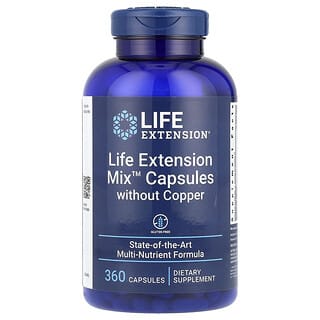 | 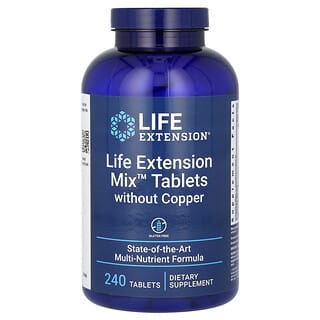 | 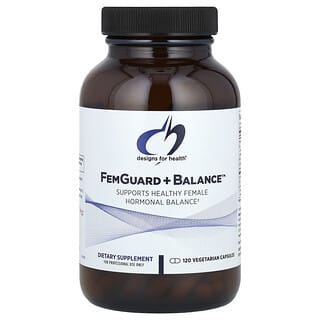 |
| Brand | Life Extension | Life Extension | Designs For Health |
| Form/Purity | High Purity Pharmaceutical Grade | High Purity Pharmaceutical Grade | High Purity Pharmaceutical Grade |
| Advantage | Formulations typically contain polyphenols and flavonoids (e.g., resveratrol, quercetin, apigenin) which act via scientifically validated mechanisms [1, 14, 17, 26, 33, 47]. | Ingredients downregulate NF-κB and related cytokine pathways, crucial for mitigating chronic low-grade inflammation (inflammaging) [17, 26, 33]. | Support cellular longevity through sirtuin activation, promoting DNA stability and extending healthspan [1, 25, 28]. |
| Price | $58.50 | $55.50 | $71.49 |
| Link | Shop on iHerb | Shop on iHerb | Shop on iHerb |
References & Academic Sources
- [1] Small molecule activators of sirtuins extend Saccharomyces cerevisiae lifespan.
- [4] TBD (From Blog Topics)
- [5] TBD (From Blog Topics)
- [6] TBD (From Blog Topics)
- [7] TBD (From Blog Topics)
- [8] TBD (From Blog Topics)
- [10] TBD (From Blog Topics)
- [12] The Achilles’ heel of senescent cells: from transcriptome to senolytic drugs.
- [13] TBD (From Blog Topics)
- [14] Apigenin inhibits UVA-induced cytotoxicity in vitro and prevents signs of skin aging in vivo.
- [17] Effect of resveratrol and pterostilbene on aging and longevity.
- [18] Senolytics improve physical function and increase lifespan in old age.
- [19] Tau protein aggregation is associated with cellular senescence in the brain.
- [22] Senolytic therapy alleviates Aβ-associated oligodendrocyte progenitor cell senescence and cognitive deficits in an Alzheimer’s disease model.
- [24] Quercetin Suppresses the Progression of Atherosclerosis by Regulating MST1-Mediated Autophagy in ox-LDL-Induced RAW264.7 Macrophage Foam Cells.
- [25] Mechanisms of Aging and the Preventive Effects of Resveratrol on Age-Related Diseases.
- [26] Rationalizing the therapeutic potential of apigenin against cancer.
- [27] TFEB Biology and Agonists at a Glance.
- [28] SIRT1 attenuates sepsis-induced acute kidney injury via Beclin1 deacetylation-mediated autophagy activation.
- [32] TBD (From Blog Topics)
- [33] Pharmacological Properties of 4’, 5, 7-Trihydroxyflavone (Apigenin) and Its Impact on Cell Signaling Pathways.
- [35] Senolytic drugs, dasatinib and quercetin, attenuate adipose tissue inflammation, and ameliorate metabolic function in old age.
- [40] Resveratrol activates autophagy and protects from UVA-induced photoaging in human skin fibroblasts and the skin of male mice by regulating the AMPK pathway.
- [47] Targeting Senescence with Apigenin Improves Chemotherapeutic Efficacy and Ameliorates Age-Related Conditions in Mice.
- [48] Identifying the target, mechanism, and agonist of α-ketoglutaric acid in delaying mesenchymal stem cell senescence.